






Kathmandu Valley Heritage Sites: A Timeless Journey Through Nepal’s Cultural Heart
Kathmandu Valley is where Nepal reveals its deepest character. Here, sacred temples, ancient royal squares, Buddhist stupas, and centuries-old artistry come together in a way few destinations in the world can match. For travellers seeking more than surface-level sightseeing, the Kathmandu Valley offers something richer: a living cultural landscape where history, spirituality, craftsmanship, and everyday life remain beautifully connected.
From the hilltop serenity of Swayambhunath to the spiritual energy of Pashupatinath, and from the royal grandeur of the three Durbar Squares to the quiet historic charm of Changu Narayan, these landmarks are far more than monuments. They are part of the living soul of Nepal.
In this guide, we explore the most important Kathmandu Valley heritage sites and why they deserve a central place in your Nepal journey. Whether you are interested in history, architecture, religion, photography, or a meaningful cultural tour in Kathmandu, these are the places that define the Valley’s identity.
Why Kathmandu Valley Heritage Sites Are So Special
The Kathmandu Valley is one of South Asia’s great cultural treasures. Home to several UNESCO World Heritage Sites in Kathmandu and beyond, the Valley preserves an extraordinary concentration of temples, stupas, palaces, courtyards, shrines, and traditional settlements. What makes it especially unique is that these places are not frozen in time. They are still active centers of worship, gathering, trade, ritual, and local life.
This is what makes the Valley so compelling for travellers. You do not simply look at history here. You walk through it. You hear it in temple bells and Buddhist chants. You see it in wood carvings, stone sculptures, prayer wheels, incense smoke, and bustling squares. These are among the most meaningful places to visit in Kathmandu Valley because they allow visitors to understand Nepal through direct experience.
1. Swayambhunath – The Monkey Temple
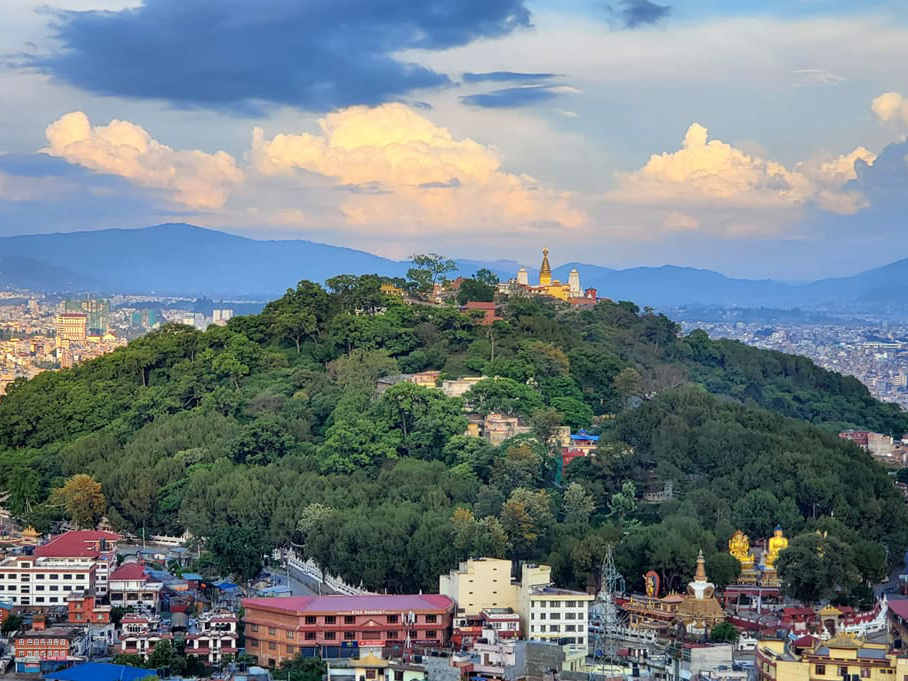
Swayambhunath is one of the most iconic and spiritually important landmarks in Nepal. Perched on a hill overlooking Kathmandu, this ancient stupa offers both religious significance and one of the best panoramic views in the Valley.
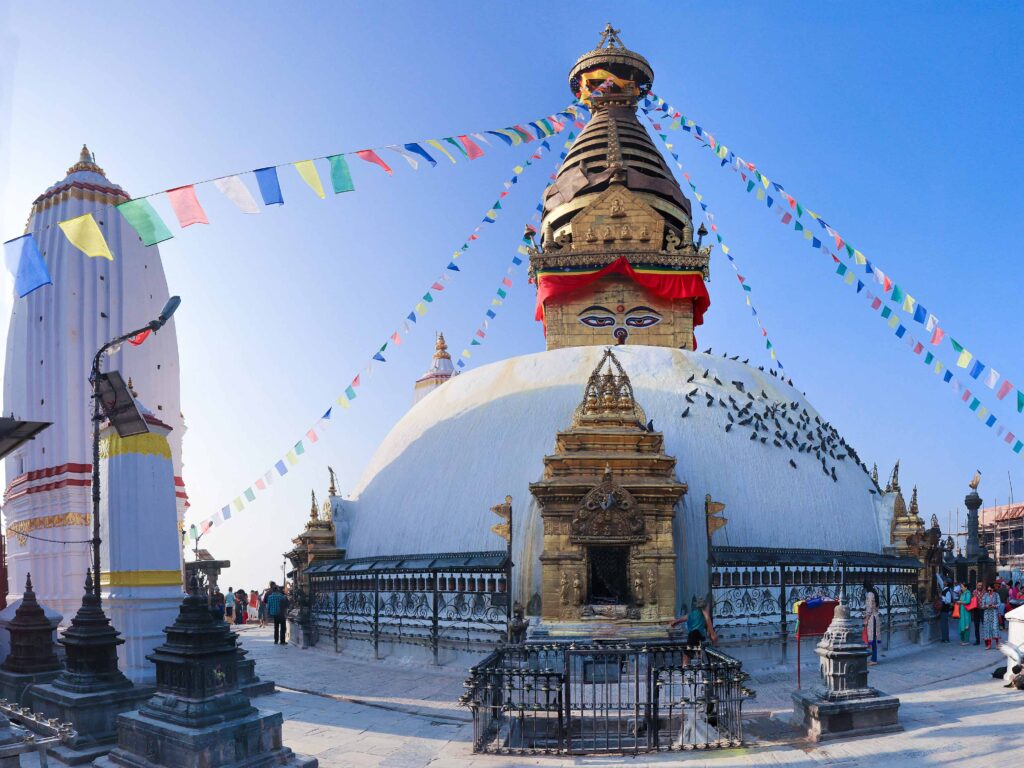
Often called the Monkey Temple, Swayambhunath is known for its white dome, golden spire, colorful prayer flags, and the famous all-seeing eyes of the Buddha. The climb up the staircase is part of the experience, gradually leading visitors into a more peaceful and reflective atmosphere above the city.
Swayambhunath is especially meaningful because it is sacred to both Buddhists and Hindus. This harmony of traditions reflects the wider spiritual character of Nepal.
For travelers interested in temples and stupas in Kathmandu, Swayambhunath offers a memorable blend of history, spirituality, and scenery. It is especially beautiful at sunrise or late afternoon.
2. Boudhanath Stupa
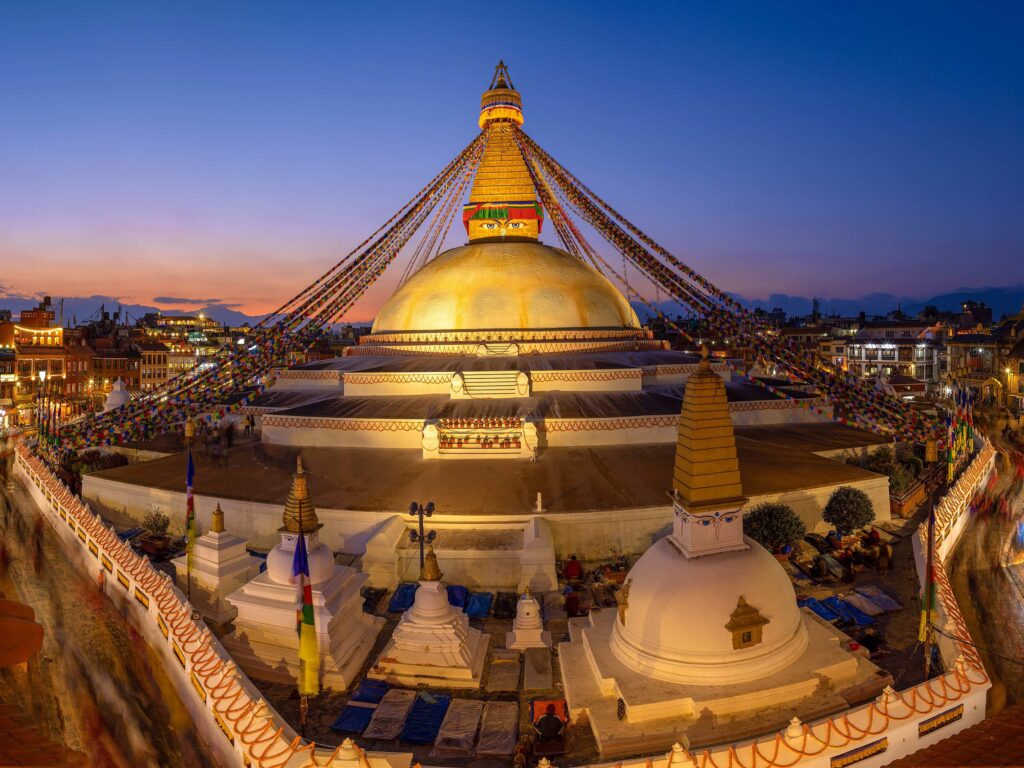
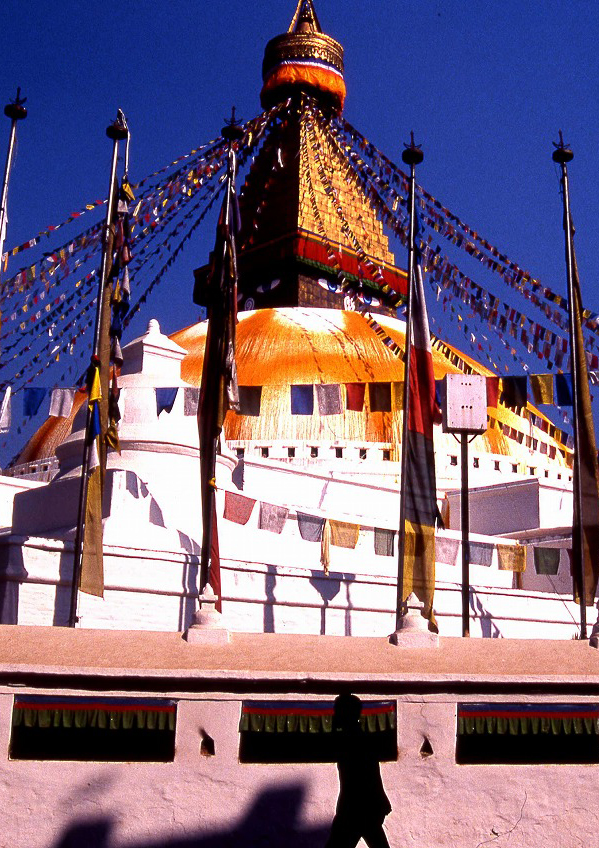
Boudhanath Stupa is one of the largest and most significant Buddhist stupas in the world. It is also one of the most peaceful and spiritually uplifting places in Kathmandu Valley.
Surrounded by monasteries, prayer wheels, rooftop cafés, and Tibetan Buddhist culture, Boudhanath feels calm, graceful, and deeply meditative. Pilgrims circle the stupa in a clockwise direction, spinning prayer wheels and chanting mantras as they move.
The sheer scale of the stupa creates an immediate sense of awe, but what stays with most travelers is the atmosphere. This is a place where faith is practiced every day, not performed for visitors.
Among all Kathmandu Valley heritage sites, Boudhanath stands out for its serenity and spiritual beauty. It is an essential stop for anyone seeking a meaningful cultural tour in Kathmandu.
3. Pashupatinath Temple
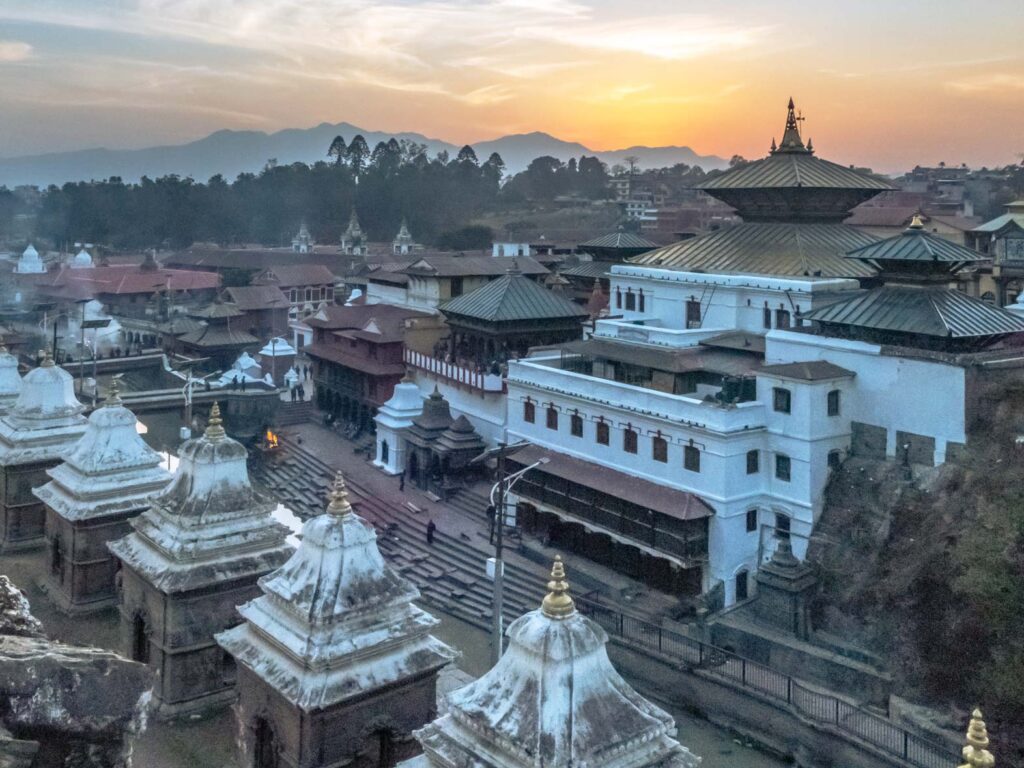
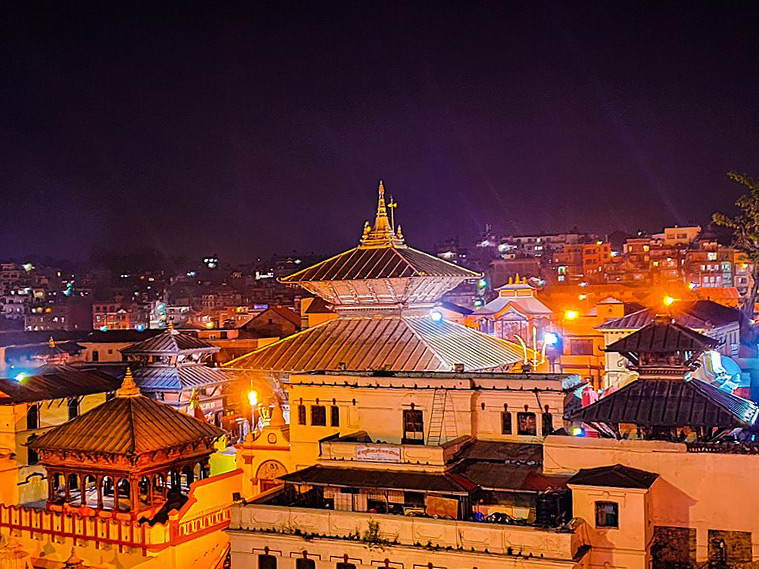
Pashupatinath Temple is one of the holiest Hindu temples in the world and one of the most sacred sites in Nepal. Dedicated to Lord Shiva, this important temple complex sits along the banks of the Bagmati River and carries immense religious significance.
The main temple is open only to Hindus, but the wider complex can be explored by non-Hindu visitors with respect. Here, travelers will find shrines, priests, sadhus, sacred rituals, and cremation ghats that reveal the deeper spiritual traditions of Hindu life.
Pashupatinath is not just a place to visit. It is a place to witness devotion, ritual, and the cycle of life in a deeply authentic way. For many travelers, this becomes one of the most powerful parts of a Kathmandu heritage tour. It offers insight into Nepal’s spiritual identity and leaves a lasting impression far beyond ordinary sightseeing.
4. Kathmandu Durbar Square
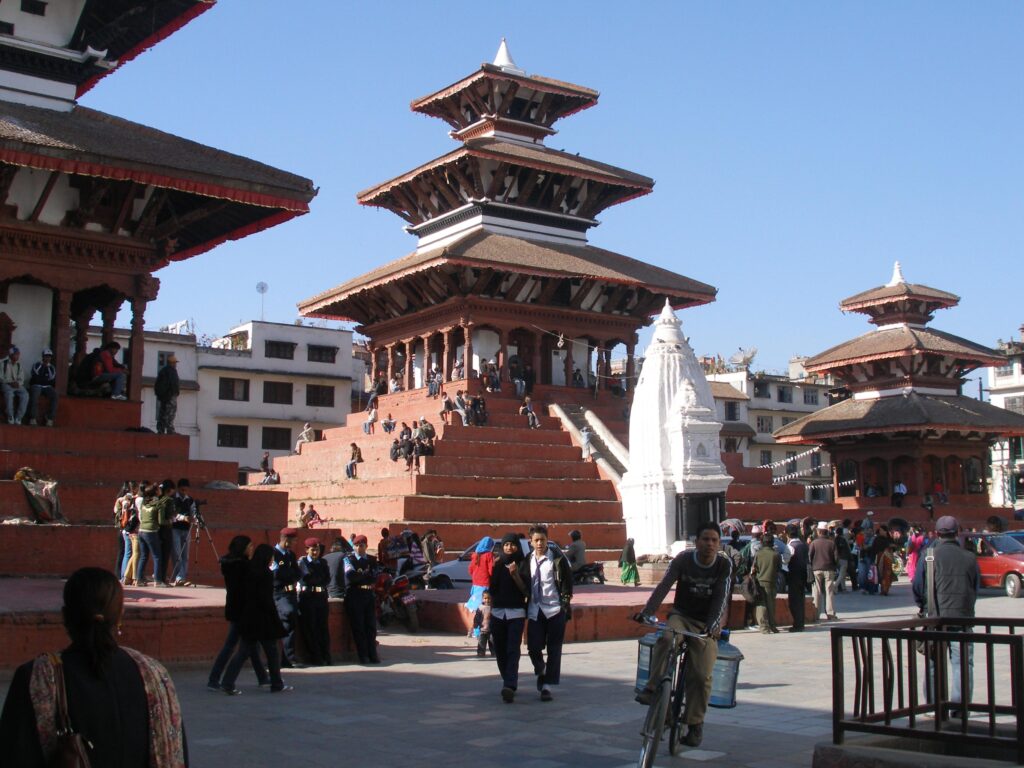
Kathmandu Durbar Square is the historic royal heart of the capital and one of the most important UNESCO World Heritage Sites in Kathmandu Valley. Once the center of royal life, it remains one of the best places to understand the city’s political, cultural, and architectural history.
The square features temples, courtyards, palace buildings, and intricate wood carvings that reflect the artistic achievements of the Malla era. Despite the damage caused by the 2015 earthquake, the area still holds tremendous heritage value and continues to be restored with great care.
Highlights include Hanuman Dhoka Palace, traditional temple architecture, and the nearby Kumari House, associated with the Living Goddess tradition. For travelers exploring the best historical places in Kathmandu, this square is essential. It brings together Nepal’s royal history, sacred tradition, and urban heritage in one remarkable setting.
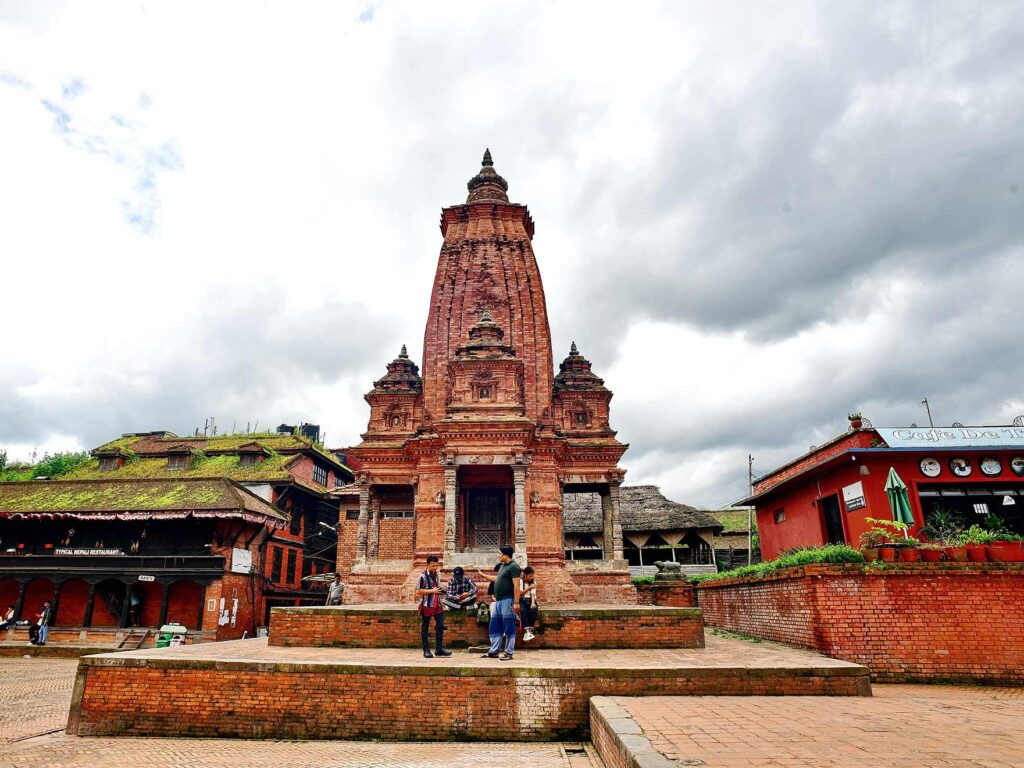
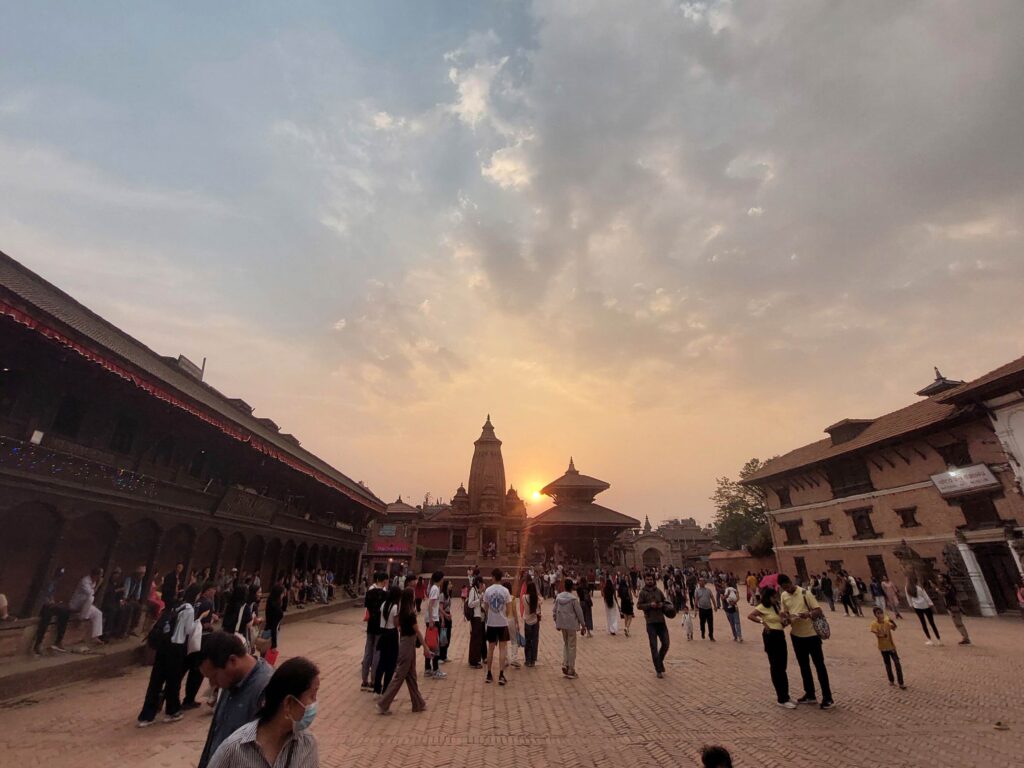
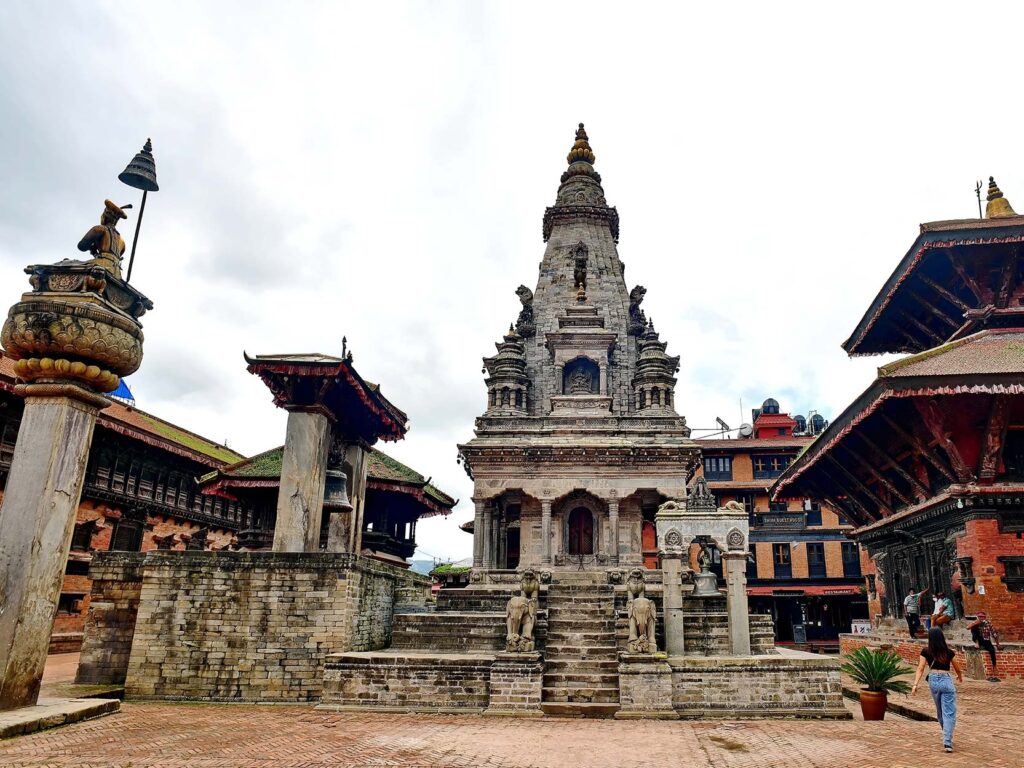
5. Bhaktapur Durbar Square
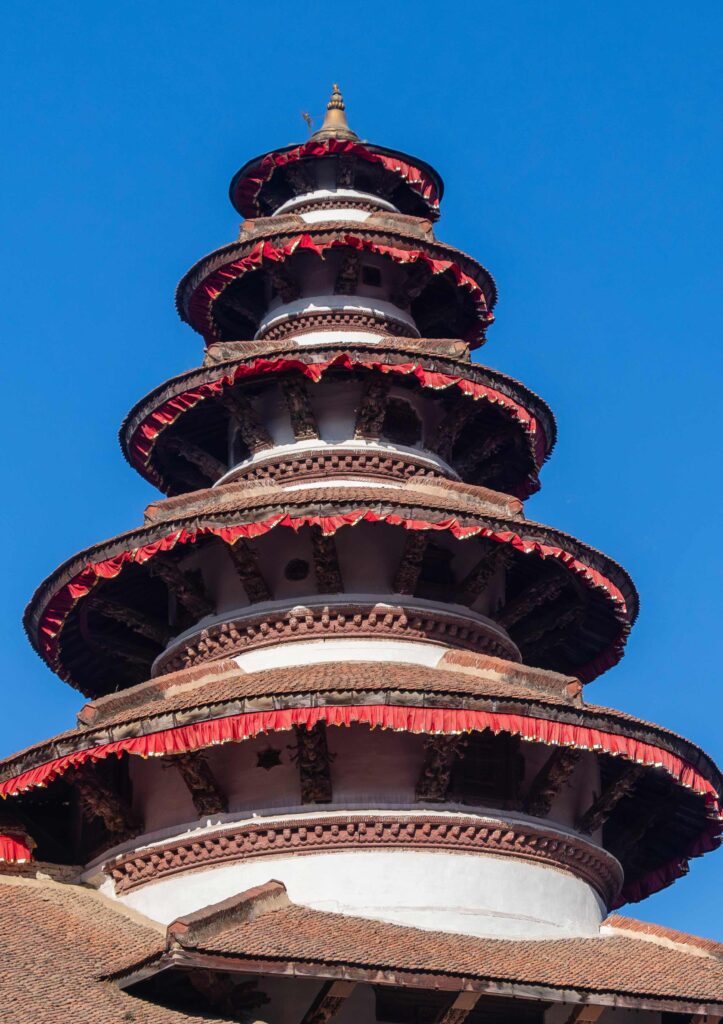
Bhaktapur Durbar Square is one of the most atmospheric heritage sites in Nepal. Located in the ancient city of Bhaktapur, it feels like stepping back into a beautifully preserved world of brick lanes, temples, courtyards, and Newari culture.
Bhaktapur is often loved for its old-world charm. The city’s architecture, wood carvings, pottery traditions, and slower pace make it one of the most immersive places to visit in Kathmandu Valley.
Important landmarks include the 55-Window Palace, Vatsala Temple, and the nearby Nyatapola Temple, one of Nepal’s finest temple structures.
Bhaktapur is ideal for travelers who want more than a quick visit. It rewards those who enjoy walking, observing local culture, photographing heritage streets, and experiencing the Valley’s artistic legacy in depth.
6. Patan Durbar Square (Lalitpur)
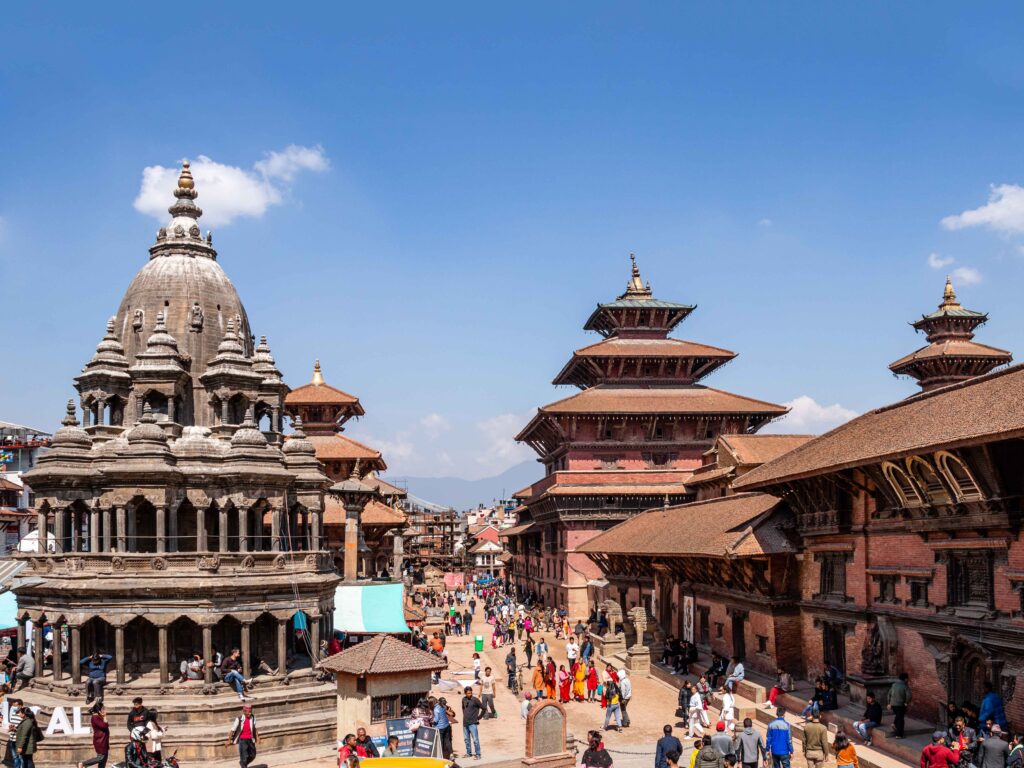
Patan Durbar Square is one of the finest examples of traditional art and architecture in Nepal. Located in Lalitpur, this heritage area is known for its elegance, craftsmanship, and refined cultural character.
The square is filled with beautifully designed temples, palace courtyards, stone carvings, and metalwork. Patan has long been associated with artisans, and that legacy is visible in every detail.
One of the major highlights is Krishna Mandir, a striking stone temple that stands out for its distinct architectural style. The Patan Museum also adds exceptional cultural value for those interested in sacred art, history, and design.
Among all Kathmandu Valley heritage sites, Patan is especially rewarding for lovers of architecture, fine craftsmanship, and heritage with artistic depth.
7. Changu Narayan Temple
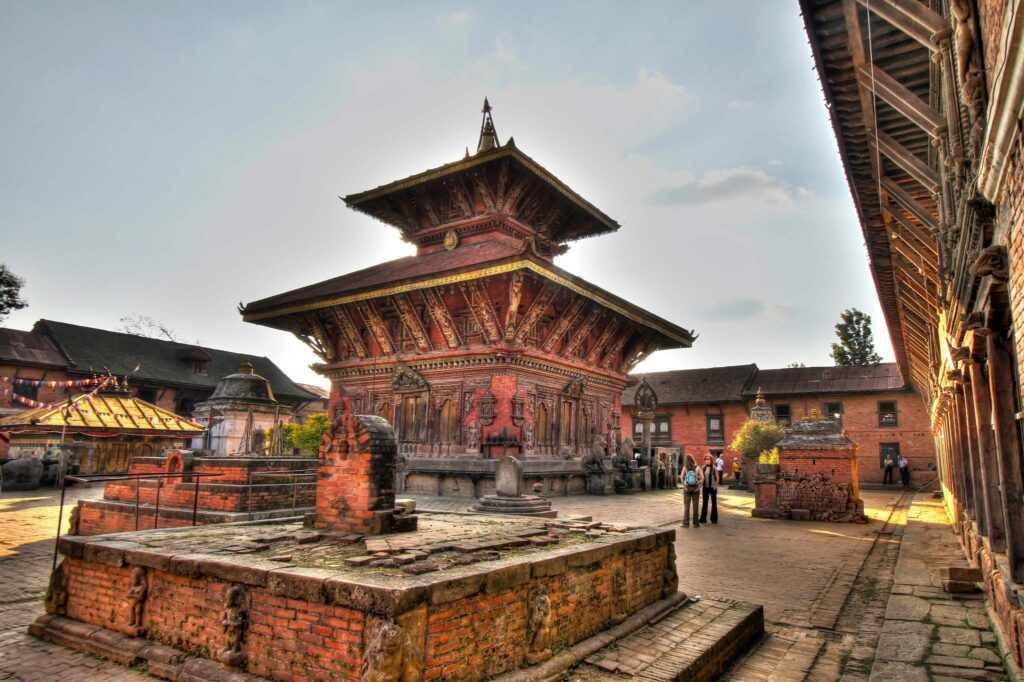
Changu Narayan is one of the oldest and most historically important temples in Nepal. Located on a hilltop east of Bhaktapur, it offers a quieter and more reflective heritage experience than some of the Valley’s busier attractions.
Dedicated to Lord Vishnu, the temple is admired for its ancient stone carvings, wooden details, and inscriptions that provide insight into Nepal’s early history.
What makes Changu Narayan especially appealing is its peaceful setting. The atmosphere feels less commercial and more intimate, making it ideal for travelers who value authenticity and calm.
For those looking to explore beyond the most crowded temples and stupas in Kathmandu, Changu Narayan is a deeply worthwhile addition.
Travel Tips for Visiting Kathmandu Valley Heritage Sites
Best time to visit
Autumn and spring are the best seasons for heritage sightseeing in Kathmandu Valley. The weather is usually pleasant, and visibility is better for outdoor exploration.
Dress respectfully
Many of these sites are sacred. Visitors should wear modest clothing, especially at religious places such as Pashupatinath and Changu Narayan.
Give yourself enough time
These places are best enjoyed slowly. If possible, spread your heritage visits over two or more days rather than rushing through them.
Hire a guide
A knowledgeable guide adds real value by explaining the history, symbolism, architecture, and religious significance behind each site.
Be culturally sensitive
Always respect local customs, worshippers, and rituals. Ask permission before photographing people in sacred settings.
Why a Guided Cultural Tour in Kathmandu Is Worth It
Many travelers visit heritage sites without fully understanding what they are seeing. A guided experience makes a huge difference.
With the right cultural context, these landmarks become more than beautiful places. They become stories of kings, craftsmen, pilgrims, faith, resilience, and living tradition.
A well-planned cultural tour in Kathmandu helps visitors connect the dots between Hindu and Buddhist heritage, Newari architecture, royal history, and local life. Instead of seeing separate attractions, travelers begin to understand the Kathmandu Valley as one connected cultural world.
Explore Kathmandu Valley with TAM Adventures
At TAM Adventures, we believe travel should go beyond sightseeing.
Our Kathmandu Valley experiences are designed for travelers who want to connect with Nepal’s culture, spirituality, history, and heritage in a deeper and more meaningful way.
Whether you are visiting Nepal for the first time or looking for a rich Kathmandu sightseeing tour, we help you experience the Valley with context, comfort, and authentic local insight.
Explore the timeless beauty of Kathmandu Valley heritage sites with TAM Adventures and discover the cultural heart of Nepal through a journey that is as meaningful as it is memorable.
FAQs About Kathmandu Valley Heritage Sites
- What are the main Kathmandu Valley heritage sites?
The main heritage sites include Swayambhunath, Boudhanath Stupa, Pashupatinath Temple, Kathmandu Durbar Square, Bhaktapur Durbar Square, Patan Durbar Square, and Changu Narayan Temple.
- Are these UNESCO World Heritage Sites?
Yes, these are among the most important UNESCO World Heritage Sites in Kathmandu Valley and are recognized for their cultural, historical, and spiritual importance.
- How many days do I need to explore these heritage sites?
Two to three days is ideal if you want to explore them properly without rushing.
- Which site is best for spiritual travelers?
Pashupatinath, Boudhanath, and Swayambhunath are especially meaningful for spiritual travelers.
- Which Durbar Square is best to visit?
Each one offers a different experience. Kathmandu Durbar Square is historically important, Bhaktapur is atmospheric and immersive, and Patan is ideal for art and architecture lovers.
- Is Changu Narayan worth visiting?
Yes, Changu Narayan is worth visiting for its ancient history, peaceful atmosphere, and important Hindu heritage.
- What should I wear when visiting temples in Kathmandu?
Wear modest clothing and comfortable shoes. Respectful dress is especially important at active religious sites.
- Should I book a guided heritage tour?
Yes, a guided tour can greatly improve your understanding of the sites and make the experience more meaningful. Contact TAM Adventures for more details.